
What Is a Rideshare Company’s Liability in a Car Accident?
Amidst Florida’s bustling streets and highways, residents and visitors often turn to rideshare apps like Uber and Lyft for convenient travel. However, the growing number of rideshare vehicles on the road has also led to more accidents caused by driver negligence, and figuring out who pays for your injuries after a rideshare crash is rarely as simple as it seems. Whether the rideshare company’s insurance, the driver’s personal insurance, or a combination of the two applies depends heavily on what the driver was doing in the app at the moment of the crash.
If you have been injured in a Florida rideshare accident, our team at The Law Offices of Scott Sobol can help you determine which insurance policy or policies apply to your claim and pursue full compensation for your injuries and other losses.
When Are Rideshare Companies Liable for Car Accidents in Florida?
Even though Florida is generally a no-fault state, meaning your own personal injury protection, or PIP, coverage typically pays your initial medical bills regardless of fault, you can still pursue a claim against a negligent rideshare driver, or in some cases the rideshare company’s insurance, once your damages exceed your PIP coverage or meet Florida’s injury threshold for stepping outside the no-fault system.
Whether a claim against Uber or Lyft’s own insurance is available, rather than just the driver’s personal policy, depends on a specific factor: whether the driver was logged into the rideshare app at the time of the crash, and if so, what stage of a ride they were in.
How Florida’s Rideshare Insurance Law Determines Coverage
Florida law, specifically Florida Statute 627.748, requires transportation network companies (TNCs) like Uber and Lyft and their drivers to maintain specific insurance coverage that scales with what the driver was doing at the time of the accident. Under the statute, the required coverage can be provided by the driver’s own policy, by the rideshare company’s policy, or by a combination of the two. Understanding these phases matters because the available coverage can differ dramatically depending on which one applies to your accident.
Phase 1: App Off
If the rideshare driver was not logged into the Uber or Lyft app at all at the time of the crash, the rideshare company’s insurance generally does not apply. In this situation, you would generally pursue a claim against the driver’s personal auto insurance policy, the same as you would with any other negligent driver.
Phase 2: App On, Awaiting a Ride Request
If the driver was logged into the app and available for requests, but had not yet accepted one, Florida law requires primary automobile insurance of at least $50,000 for death and bodily injury per person, $100,000 for death and bodily injury per incident, and $25,000 for property damage. This phase also requires personal injury protection and uninsured motorist coverage as required under Florida law. Because many personal auto policies exclude or limit coverage for rideshare driving, the rideshare company’s policy can become the key source of coverage during this phase.
Phase 3: En Route to a Pickup or Transporting a Passenger
Under the statute, a prearranged ride begins when the driver accepts a ride request and ends when the last passenger exits the vehicle. During that period, whether the driver is on the way to pick up a passenger or actively transporting one, Florida law requires primary automobile insurance of at least $1 million for death, bodily injury, and property damage, along with personal injury protection and uninsured motorist coverage. This higher tier reflects the increased risk involved once a passenger is directly relying on the driver.
If the driver’s own insurance has lapsed or does not provide the coverage the statute requires in Phase 2 or Phase 3, Florida law requires the rideshare company’s insurance to provide that coverage beginning with the first dollar of the claim. This protects injured people from being left without a source of recovery simply because a driver’s personal policy fell short.
Your Uber or Lyft accident claim may ultimately involve the driver’s personal insurer, the rideshare company’s commercial coverage, or both, depending on exactly which phase applies and whether the driver carried adequate personal coverage. Determining this generally requires reviewing the rideshare app’s trip data alongside the driver’s personal insurance information. Our pages on Uber accident claims in Davie and Lyft accident claims in Davie explain how these issues play out with each company.
Common Causes of Rideshare Accidents
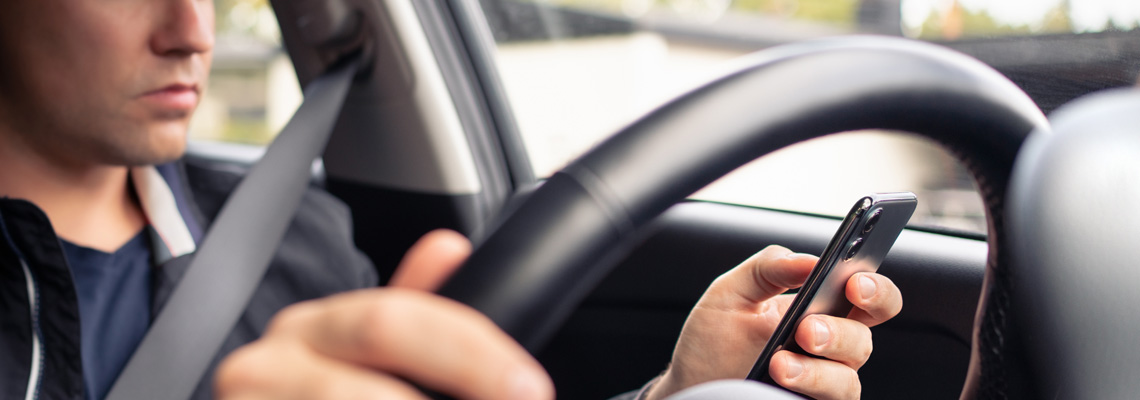
Rideshare drivers face pressures that can increase accident risk in ways that differ somewhat from an average commuter. Many drivers work long hours across multiple ride-hailing platforms, which can contribute to fatigue behind the wheel. Frequent use of GPS navigation and the rideshare app itself while driving also creates distraction risks, since drivers are often checking the app for ride requests, navigation prompts, and passenger information at the same time they are operating the vehicle.
Unfamiliarity with pickup and drop-off locations, particularly in unfamiliar neighborhoods or during high-traffic tourist periods, can also lead to sudden lane changes, abrupt stops, or hesitation that catches other drivers off guard. Identifying the specific cause of your accident helps establish negligence and can also reveal whether the rideshare company itself bears any separate responsibility, such as inadequate driver screening.
Damages You May Be Eligible to Recover After a Florida Rideshare Accident
After suffering injuries in a rideshare accident, many victims face unexpected medical bills and missed paychecks that can quickly add financial strain on top of physical recovery. Depending on the facts of your case, you may be able to recover the following types of damages:
- Current and future medical expenses related to your injuries
- Lost wages and diminished future earning capacity
- Permanent disfigurement or disability
- Loss of enjoyment of life
- Emotional distress
- Pain and suffering
Every accident affects victims differently, and we work with clients to understand the full extent of their injuries and losses so that no category of damages gets overlooked in the claims process. Because a rideshare claim can potentially involve more than one insurance policy, from the driver’s personal coverage to the rideshare company’s commercial policy, calculating your damages accurately from the outset helps ensure a settlement offer reflects the true value of your claim rather than the minimum any single insurer is willing to pay.
What if You Were a Rideshare Passenger, Not a Driver in the Other Vehicle?
Rideshare accident claims are not limited to drivers of other vehicles who get hit by an Uber or Lyft driver. If you were a passenger inside the rideshare vehicle when the accident happened, you generally have a claim available regardless of which driver caused the crash, since passengers are rarely at fault for a collision. Depending on the circumstances, your claim may involve your own rideshare driver’s coverage, the other driver’s insurance, or both, particularly when fault is disputed between the two drivers. If the other driver was uninsured, the uninsured motorist coverage required during an active ride may also come into play.
Pedestrians and cyclists struck by a rideshare vehicle, including tourists visiting Florida’s busy pedestrian areas, may also have a claim against the applicable coverage tier described above, following the same phase-based framework that applies to other rideshare accident claims. This matters in areas with heavy foot traffic, such as entertainment districts and beach corridors, where rideshare pickups and drop-offs happen frequently and pedestrians often share the same crowded curb space as arriving and departing vehicles.
How Comparative Negligence Can Affect a Rideshare Claim
Florida follows a modified comparative negligence standard. Under Florida Statute 768.81(6), your compensation is reduced by your own percentage of fault, and you cannot recover damages at all if you are found more than 50 percent at fault for your own injuries. In a rideshare context, insurers may look for ways to argue that a passenger contributed to their own injuries, for example by not wearing a seatbelt, or that a pedestrian struck near a pickup zone stepped into traffic unexpectedly.
These arguments do not automatically succeed, and a thorough investigation into how the accident actually happened, including trip data, dashcam footage where available, and witness accounts, can help counter attempts to shift blame away from the actual cause of the crash.
How Florida’s Statute of Limitations Affects Your Rideshare Claim
Beyond identifying the correct insurance coverage, you also need to act within Florida’s legal deadlines. Under Florida Statute 95.11(5)(a), most negligence-based injury claims, including rideshare accident claims, must generally be filed within two years of the accident for crashes occurring on or after March 24, 2023. Crashes before that date generally remain under the prior four-year deadline, and wrongful death claims also carry a two-year deadline. Waiting too long can also make it harder to obtain rideshare trip data and driver app status information, since these records are not necessarily retained indefinitely.
How We Help You Pursue a Rideshare Accident Claim
Rideshare accident claims involve layers of insurance coverage that do not exist in a typical car accident case, and identifying the correct policy, or policies, to pursue can significantly affect the outcome of your claim. Attorney Scott Sobol and our team at The Law Offices of Scott Sobol work to obtain the trip data and insurance information needed to determine which coverage applies to your accident. Scott Sobol has more than 20 years of personal injury experience and has represented more than 1,000 clients and their families.
We handle every aspect of your claim, from investigating which coverage tier applies to negotiating with the rideshare company’s insurer, so you can focus on your recovery. We handle rideshare cases on a contingency fee basis, with the terms and costs set out in a written agreement. To discuss your rideshare accident, fill out our contact form to schedule a consultation.
Frequently Asked Questions About Rideshare Accident Liability in Florida
How much insurance coverage does a rideshare company provide if the driver was actively transporting a passenger?
Florida Statute 627.748 requires at least $1 million in coverage for death, bodily injury, and property damage from the moment a rideshare driver accepts a ride request until the last passenger exits the vehicle, along with personal injury protection and uninsured motorist coverage. This is the highest coverage tier under Florida’s transportation network company insurance law.
What if the Uber or Lyft driver was not logged into the app when the accident happened?
If the driver was not logged into the app at all, the rideshare company’s insurance generally does not apply, and a claim would typically proceed against the driver’s personal auto insurance policy instead, similar to any other car accident claim.
Can I file a claim if I was a passenger in the rideshare vehicle?
Yes, passengers injured in a rideshare vehicle generally have a claim available regardless of which driver caused the accident, since passengers are rarely at fault. The applicable coverage typically depends on which vehicle was at fault and what phase the rideshare trip was in.
How long do I have to file a rideshare accident claim in Florida?
For accidents occurring on or after March 24, 2023, Florida Statute 95.11(5)(a) generally allows two years from the date of the accident to file a negligence-based injury claim. Confirming your exact deadline with an attorney is important, especially given how rideshare trip data can affect your case.
Do I need the rideshare driver’s trip data to support my claim?
Trip data showing whether the driver was logged in, waiting for a ride, or actively transporting a passenger is often central to determining which insurance coverage tier applies. An attorney can help request this information from the rideshare company as part of your claim.

LEGALLY REVIEWED BY:
Scott Sobol
September 30, 2026
Recent Posts

You did everything right after your accident. You called the police, exchanged information at the scene, and gave a truthful stateme ...

A car accident can turn your life upside down in a matter of seconds. Between hospital visits, missed paychecks, and phone calls fro ...

Can You Still Recover Compensation If the At-Fault Driver Has No Bodily Injury Coverage in Florida? - 08/18/26
A car crash is stressful enough before you find out the other driver has almost no insurance at all. Many people assume that if some ...
