
You did everything right after your accident. You called the police, exchanged information at the scene, and gave a truthful statement to the other driver’s insurance company. Weeks later, a denial letter arrives, and the compensation you were counting on for medical bills, lost wages, and vehicle repairs suddenly feels out of reach. For many …
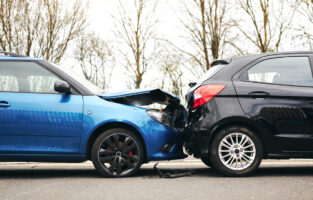
A car accident can turn your life upside down in a matter of seconds. Between hospital visits, missed paychecks, and phone calls from insurance adjusters, injured drivers often assume the process for seeking compensation works today the way it always has. That assumption can be costly. Florida’s rules around personal injury claims changed significantly in …
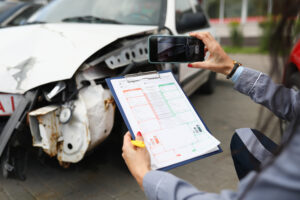
A car crash is stressful enough before you find out the other driver has almost no insurance at all. Many people assume that if someone else caused their crash, that person’s insurance will automatically cover the medical bills, lost wages, and pain that follow. Florida complicates that assumption. The state does not require most drivers …

One moment you are driving home from work, thinking about dinner or the errands still left on your list. The next moment, a stranger is inches from your bumper, flashing their lights, swerving into your lane, or leaning on their horn as if you had committed some unforgivable offense. That sudden shift from ordinary traffic …

Being involved in a car accident is frightening on its own, but when the other driver speeds away without stopping, the situation becomes far more overwhelming. You are left at the scene, possibly injured, with no information about who caused the crash and no clear idea of where to turn. Florida sees nearly 25% of …

If you were hurt in a Florida car accident, the question of who is at fault matters far more today than it did just a few years ago. In March 2023, Florida passed House Bill 837, fundamentally changing the state’s approach to personal injury claims. Under this new framework, how fault is assigned can determine …

Hit by an uninsured driver in Florida? Learn who may be liable, how UM coverage works, and what to do to protect your right to compensation.

Injured in a Florida construction zone crash? Learn who may be liable, what to do after the accident, and how Florida law affects your claim.

After an accident, the last thing most people want to think about is paperwork and legal deadlines. But missing the window to file a personal injury lawsuit in Florida can mean losing your right to compensation entirely, no matter how serious your injuries or how clear the other party’s fault may be. Florida law sets …

Drivers are not automatically at fault in every Florida pedestrian accident. We break down eight common myths about driver fault, the 50 percent bar under HB 837, and the two-year filing deadline.
