
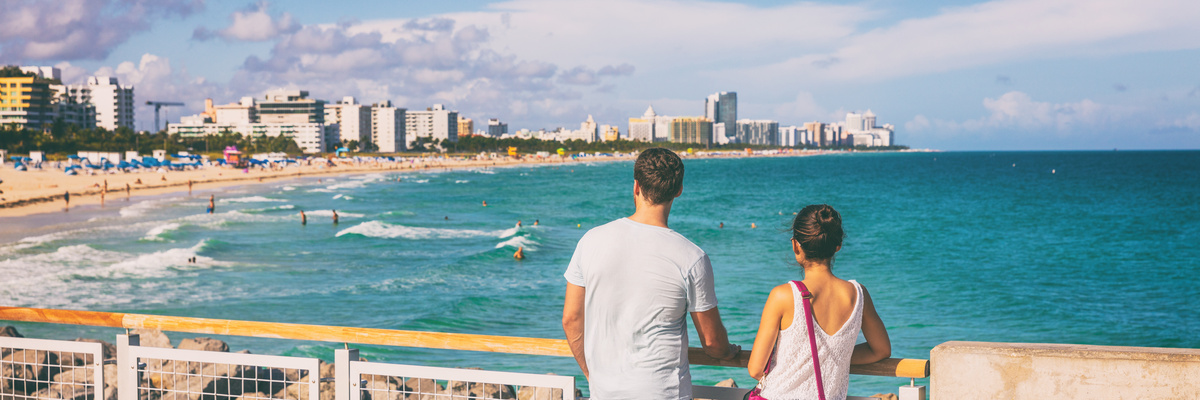
Tourist Areas and Pedestrian Accidents in Florida: Who’s Liable When Visitors Are Injured?
Visitors injured as pedestrians in Florida’s tourist areas can pursue compensation on largely the same legal terms as residents, but identifying who is responsible often takes more investigation, since liability can rest with a driver, a hotel or venue, a government entity, or more than one of them at once. Tourists also face a coverage gap many do not expect: Florida’s Personal Injury Protection rules generally cover pedestrians struck by a car only if they are Florida residents, so an out-of-state visitor often depends more heavily on proving someone else was at fault.
At The Law Offices of Scott Sobol, we understand the complexities that arise when visitors are injured on Florida’s roads and properties. With over 20 years of experience handling personal injury cases throughout South Florida, Scott Sobol and his team are prepared to investigate your accident and identify every party that may bear responsibility for your injuries.
Out-of-State Visitors Still Have Only 2 Years to File
Florida’s statute of limitations applies to tourists and residents alike. Waiting to return home before contacting an attorney can cost you access to evidence and time on the clock.
Free consultation. Personal injury cases handled on a contingency fee basis.
How This Guide Fits With Our Other Pedestrian and Tourist Resources
This article focuses on who can be held liable when a visitor is hurt on foot in a Florida tourist area. For the general claim process for visitors, see our guide to personal injury claims for tourists in Florida. For crosswalk rules, read whether Florida pedestrians always have the right-of-way, and for how fault is split between walkers and drivers, see whether drivers are always at fault in Florida pedestrian accidents.
Why Tourist Areas Create Unique Pedestrian Risks
Florida consistently ranks among the most dangerous states in the country for pedestrians, and the problem is national in scope. The Governors Highway Safety Association projected that 7,318 people walking were killed in motor vehicle crashes across the United States in 2023. Tourist-heavy areas in South and Central Florida face particular challenges, as congested streets, unfamiliar driving environments, and high foot traffic converge in ways that put pedestrian accidents at the top of local safety concerns.
Visitors often walk in areas they do not know well, crossing streets at locations without adequate crosswalk infrastructure or signage. Meanwhile, drivers, many of them tourists themselves, may be distracted by GPS directions, making sudden lane changes, or unfamiliar with local traffic laws. This combination creates conditions where pedestrian accidents happen with troubling frequency, and where determining fault requires a careful review of multiple factors.
Where Tourist Pedestrian Accidents Tend to Happen
Certain settings come up again and again in visitor pedestrian claims, and each points toward a different set of potentially liable parties.
Florida’s Pedestrian Right-of-Way Law
Under Florida Statute Section 316.130, drivers must yield to pedestrians within marked or unmarked crosswalks, but pedestrians also owe a duty to obey traffic signals and avoid suddenly entering a roadway outside a crosswalk. Neither drivers nor pedestrians have an absolute right-of-way in every situation, which is one reason liability in these cases is rarely automatic.
Who Can Be Held Liable for a Tourist Pedestrian Accident?
Liability in these cases often involves more than just the driver who struck the pedestrian. Depending on how and where the accident occurred, several parties may share responsibility.
Negligent Drivers
A driver who failed to yield in a crosswalk, ran a red light, was speeding, or otherwise drove carelessly bears the most direct liability. Their bodily injury liability coverage, and potentially your own uninsured motorist coverage, may be available to compensate you. If the driver fled, see our guide on what happens after a hit-and-run in Florida.
Property Owners and Businesses
Hotels, shopping districts, and entertainment venues owe visitors a duty of care under premises liability law, including for poorly lit parking lots, broken sidewalks, confusing driveway layouts, or hazards near a private entrance.
Government Entities
Municipalities responsible for a dangerous intersection, missing signage, or a malfunctioning traffic light may share liability. These claims follow special sovereign immunity rules, including written pre-suit notice and limits on damages, as explained below.
Rideshare and Commercial Drivers
Tourist corridors see heavy rideshare, delivery, and tour van traffic. If a driver was acting within the scope of employment or a rideshare accident agreement, their employer or the platform may share liability.
Special Rules for Claims Against Government Entities
Claims against a city, county, or state agency are governed by Florida Statute Section 768.28. Before filing suit, you generally must present a written claim to the responsible agency, and in most cases to the Florida Department of Financial Services, within three years after the claim accrues, and then allow time for the claim to be reviewed. Recoverable damages against a government entity are generally capped at $200,000 per person and $300,000 per incident, although a judgment above those amounts may be reported to the Legislature. Because these procedural steps are strict, it helps to identify any government role in a crash early.
Insurance Issues Unique to Visiting Pedestrians
Florida residents who are struck by a car while walking can often turn to Personal Injury Protection benefits first. Under Florida Statute Section 627.736, however, the PIP coverage on the vehicle that struck a non-owner pedestrian applies only if that pedestrian is a Florida resident. Many out-of-state and international visitors therefore cannot rely on the driver’s PIP coverage and must look to the at-fault driver’s bodily injury liability coverage, their own auto or health insurance from home, or other available policies.
This makes the liability investigation especially important for tourists. Travel insurance or health coverage from another state or country may help with some bills, but it does not replace a Florida personal injury claim, and settlement negotiations still proceed under Florida law regardless of the visitor’s nationality or state of residence. If you were hurt while driving a rental rather than walking, our article on rental car accidents in Florida covers the different coverage questions that apply.
Preserving Evidence Before You Leave Florida
Pursuing a claim after returning home adds logistical steps, but it does not prevent you from recovering compensation. The biggest risk for visitors is losing evidence that is easy to collect in person and hard to obtain later. Before leaving the state, try to keep photos of the scene and your injuries, the police report or its case number, witness names and contact information, and the names of nearby hotels or businesses that may have security cameras. Hotel and venue surveillance systems often record over footage on a routine schedule, so preservation requests should go out quickly. Our guide for injured tourists covers remote case handling and follow-up medical care in more detail.
How Florida’s Comparative Negligence Law Affects Visitor Claims
Florida’s modified comparative negligence system applies to pedestrian accident claims the same as any other personal injury case. Under Florida Statute Section 768.81(6), if you are found to be more than 50 percent at fault for your own injuries, for example because you crossed outside of a crosswalk or against a traffic signal, you may be barred from recovering any compensation. If your share of fault is 50 percent or less, your recovery is reduced proportionately.
Insurance companies frequently try to assign as much fault as possible to injured pedestrians, particularly tourists who may be unfamiliar with local traffic patterns. An experienced car accident lawyer can help counter these arguments by gathering surveillance footage, witness statements, and accident reconstruction evidence to establish an accurate picture of what happened. For a closer look at when a walker may share blame, see our article on whether a pedestrian can be liable for a Florida car accident.
Frequently Asked Questions About Tourist Pedestrian Accidents in Florida
Can a tourist file a pedestrian accident claim in Florida after returning home?
Yes. A Florida pedestrian accident claim can proceed largely through phone calls, video conferences, and mail once you return home. An attorney can handle communication with insurers and coordinate any needed medical documentation from your home state or country.
Does Florida PIP cover a tourist who is hit by a car while walking?
Usually not. The PIP coverage on the vehicle that struck a pedestrian generally applies only if the pedestrian is a Florida resident. Visitors often rely instead on the at-fault driver’s bodily injury liability coverage, their own insurance from home, or other available policies.
Who is usually liable when a tourist is hit by a car in Florida?
Liability often falls on the driver who struck the pedestrian, but property owners, government entities responsible for road design, or a rideshare company may also share responsibility depending on where and how the accident occurred.
Does Florida’s comparative negligence law apply to visitors and residents equally?
Yes. Florida’s modified comparative negligence rule applies the same way regardless of whether the injured pedestrian lives in Florida or is visiting from another state or country. If you are found more than 50 percent at fault, you cannot recover compensation.
How long does an injured tourist have to file a claim in Florida?
For accidents occurring on or after March 24, 2023, Florida’s statute of limitations for most negligence claims, including pedestrian accidents, is two years from the date of the crash. This deadline applies to tourists the same as it applies to Florida residents. Claims against government entities also require written notice under separate rules.
What evidence should an injured visitor gather before leaving Florida?
Photos of the accident scene, injuries, and any hazardous conditions, the responding officer’s report or its case number, and contact information for witnesses are all valuable before you leave the state. An attorney can help gather additional evidence, like surveillance footage, afterward.
Contact The Law Offices of Scott Sobol
Pedestrian accidents in tourist areas can result in serious injuries that affect your ability to work, travel, and enjoy your life long after your Florida trip has ended. Whether you were visiting from out of state or live in the area, you have the right to pursue compensation from those whose negligence caused your harm. Our article on whether pedestrians can seek compensation after being hit by a car explains the types of damages that may be available. You can learn more about our team’s background on our About Us page.
Scott Sobol has represented more than 1,000 clients and their families in personal injury matters across South Florida, handling cases in every circuit court in the region. The firm handles cases on a contingency fee basis. To discuss your accident and learn what options may be available to you, please reach out through our contact form.

LEGALLY REVIEWED BY:
Scott Sobol
October 10, 2026
Recent Posts

You did everything right after your accident. You called the police, exchanged information at the scene, and gave a truthful stateme ...
A car accident can turn your life upside down in a matter of seconds. Between hospital visits, missed paychecks, and phone calls fro ...
Can You Still Recover Compensation If the At-Fault Driver Has No Bodily Injury Coverage in Florida? - 08/18/26
A car crash is stressful enough before you find out the other driver has almost no insurance at all. Many people assume that if some ...
