
3 Ways Technology Can Help in Your Motorcycle Accident Claim
Technology can make a real difference in a Florida motorcycle accident claim. Dash cam and helmet camera footage, vehicle event data recorders, traffic and surveillance cameras, and cell phone records can each help show how a crash happened and who caused it. Because much of this evidence is overwritten, deleted, or lost within days or weeks, acting quickly to preserve it is one of the most important steps an injured rider can take.
At the Law Offices of Scott Sobol, our Davie motorcycle accident attorneys help injured riders investigate crashes and pursue compensation from the drivers and companies responsible. Motorcyclists often face unfair assumptions about fault, and objective digital evidence is one of the strongest ways to counter them. When you work with our firm, we look for every source of technological evidence that may support your claim and move to preserve it before it disappears.
Digital Crash Evidence Can Disappear in Days
Surveillance video is often recorded over quickly, and Florida gives most injured riders only two years to file a negligence claim. Early action protects both your evidence and your rights.
Free consultation. Personal injury cases handled on a contingency fee basis.
Why Technology Matters So Much in Motorcycle Accident Cases
Motorcycle crashes often come down to competing accounts. A driver who turned left in front of a rider may say the motorcycle “came out of nowhere” or was speeding, and insurers sometimes lean on stereotypes about riders to shift blame. Because Florida uses a modified comparative negligence rule, those arguments carry real weight. Under Florida Statute Section 768.81(6), a person found more than 50 percent at fault for their own injuries cannot recover damages, and a rider found 50 percent or less at fault has their compensation reduced by that percentage.
Objective, timestamped evidence can cut through those disputes. Video, electronic data, and phone records do not depend on anyone’s memory, and they can confirm a rider’s speed, lane position, and the other driver’s actions in the seconds before impact. Our broader article on the growing role of technology in evidence collection explains how these tools are used across personal injury cases.
Types of Technology That Can Support Your Motorcycle Accident Claim
Several kinds of technology may capture useful evidence after a motorcycle crash. The right sources depend on where the collision happened and what vehicles were involved.
1. Dash Cam Footage
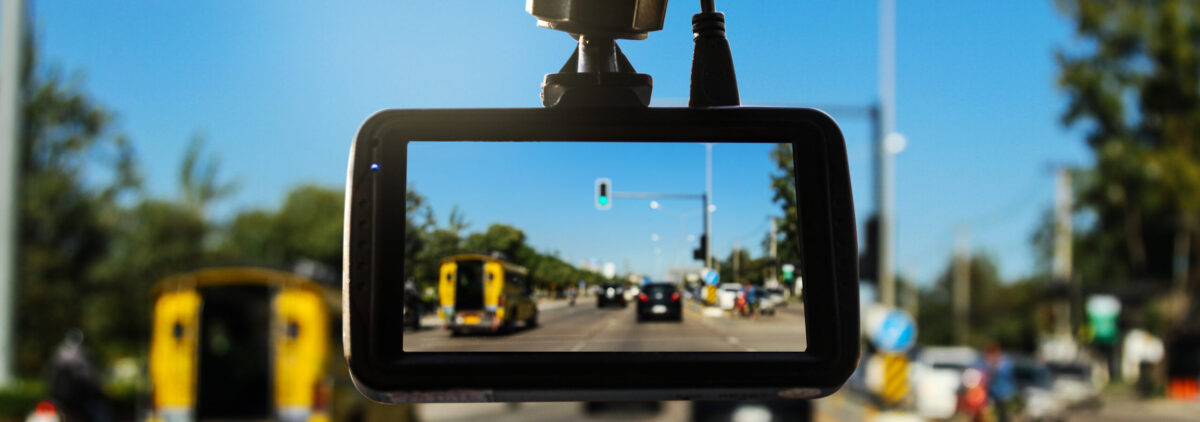
Many drivers, rideshare vehicles, and commercial fleets now use dash cams. These cameras are well suited to capturing forward-facing collisions, left-turn crashes, and lane changes. If you were involved in a motorcycle accident, a dash cam on the vehicle that hit you, a car behind you, or a nearby commercial truck may have recorded what happened. Fleet cameras on delivery vans and trucks may also be tied to company systems that store footage for a limited time.
2. Helmet Cameras and Rider Devices
Helmet-mounted and handlebar cameras are popular with riders and can show your speed, your position in the lane, traffic signals, and the moment another vehicle entered your path. Keep the original file and the device itself, and avoid editing or trimming the footage, since the unaltered original is usually the most credible version. Florida law places limits on recording private conversations without consent, so if your camera captured audio, let your attorney review it before you share it with anyone.
Smartphones and smartwatches can also help. Crash detection alerts, GPS logs from riding or map apps, and photo timestamps can help establish the time, location, and sequence of events.
3. Event Data Recorders in Other Vehicles
An event data recorder, often called a black box, captures a short snapshot of vehicle data around a crash, such as speed, whether the brakes were applied, and steering input. Federal law does not require automakers to install these devices. However, federal rules under 49 CFR Part 563 set data standards for passenger cars and light trucks manufactured on or after September 1, 2012, that are equipped with one, and many newer passenger vehicles have them.
Data from the car or truck that struck you can show whether the driver was speeding, braking, or accelerating in the moments before the crash. Commercial trucks often have separate engine control modules and electronic logging devices that record even more information. Some newer motorcycles also store data in their engine or anti-lock braking modules, although this varies widely by make and model. Retrieving this data usually requires dedicated equipment and a trained analyst, and it should be done before the vehicle is repaired or salvaged.
4. Traffic Cameras and Surveillance Video
Intersection cameras, business security systems, gas station cameras, and home doorbell cameras frequently capture crashes on nearby roads. This footage is often overwritten automatically, sometimes within a few days. Requests to preserve it need to go out quickly. Our guides to obtaining traffic camera footage in Florida and using Florida public records laws in accident claims explain how this evidence can be requested.
5. Cell Phone Records
Distracted driving is a common cause of crashes involving motorcycles, which can be harder for inattentive drivers to see. Phone records obtained through the legal process can show whether the other driver was calling, texting, or using data at the time of the collision. Our article on proving the other driver was distracted covers this type of evidence in more detail.
6. Failures of Driver-Assistance Technology
Modern vehicles use features like automatic emergency braking, blind spot monitoring, and lane-keeping assistance. When these systems malfunction, electronic records may help show what failed and when. If defective technology contributed to your crash, you may have a claim against a manufacturer in addition to the negligent driver, which our products liability team can evaluate.
Preserving Digital Evidence After a Motorcycle Crash
Digital evidence is powerful, but it is also fragile. Surveillance systems record over old footage, vehicles get repaired or crushed, and phone data can be lost when a device is replaced. The steps below can help protect your claim:
Save Your Own Files
Back up helmet cam footage, photos, and app data, and keep the original device.
Note Nearby Cameras
Write down businesses, homes, and intersections near the crash that may have video.
Keep Your Motorcycle and Gear
Hold off on repairs and keep your damaged helmet and gear until they can be inspected.
Send Preservation Requests
An attorney can send formal letters asking parties to preserve video and vehicle data.
Be careful about what you post online while your claim is open. Photos and comments on social media can be taken out of context, as we explain in our article on how social media can impact your personal injury case.
Florida Motorcycle Laws That Can Affect Your Claim
Technology helps prove what happened, but Florida’s motorcycle laws shape how that evidence is used. For a fuller discussion, see our guide to Florida motorcycle laws that may affect your claim.
Helmet Use and Comparative Fault
Under Florida Statute Section 316.211, riders over 21 may ride without a helmet if they are covered by an insurance policy providing at least $10,000 in medical benefits, and all riders must wear approved eye protection. Riding without a helmet does not bar a claim, but insurers may argue that it contributed to a head injury and try to reduce compensation on that basis. Helmet camera footage and medical evidence can help respond to those arguments.
PIP Does Not Cover Most Motorcycle Crashes
Florida’s Personal Injury Protection requirement applies to vehicles with four or more wheels, so motorcycles are not covered by the PIP system that applies to cars. That means injured riders usually rely on the at-fault driver’s bodily injury liability coverage, their own uninsured motorist coverage, or health insurance for medical bills. Strong evidence of the other driver’s fault becomes even more important as a result. Lane position can also come up in these cases, which our article on whether lane sharing is legal in Florida addresses.
The Two-Year Filing Deadline
For accidents occurring on or after March 24, 2023, Florida Statute Section 95.11 gives injured people two years from the date of the crash to file most negligence lawsuits. Before that date, the general deadline was four years. Digital evidence usually disappears long before the filing deadline, so waiting even a few weeks can make a case harder to prove.
Damages You May Recover After a Motorcycle Accident
If another party’s negligence caused your crash, you may be able to pursue compensation for the losses you have suffered. Motorcycle accidents frequently cause serious injuries, and the damages available in a claim may include the following.
Every case is different, and the value of a claim depends on the facts, the available insurance, and the strength of the evidence. A careful investigation that includes technological evidence can help present the full picture of your losses.
Frequently Asked Questions About Technology in Motorcycle Accident Claims
Can helmet camera footage be used as evidence in a Florida motorcycle accident claim?
Yes, helmet camera video can be strong evidence of your speed, lane position, and the other driver’s actions. Keep the original file and device, avoid editing the footage, and have your attorney review any recorded audio before sharing it, since Florida restricts recording private conversations without consent.
Do all cars have a black box that records crash data?
No. Federal law does not require event data recorders, but many newer passenger vehicles have them. Federal standards apply to light vehicles built on or after September 1, 2012, that are equipped with one. The data can show speed and braking just before a crash, but it should be retrieved before the vehicle is repaired or salvaged.
How long is surveillance footage kept after a crash?
It varies, but many business and home camera systems record over old footage automatically, sometimes within days. That is why it helps to identify nearby cameras right away and have an attorney send preservation requests as soon as possible.
Can I still recover compensation if I was not wearing a helmet?
Riding without a helmet does not automatically bar a claim in Florida, and riders over 21 with qualifying medical coverage may legally ride without one. Insurers may argue it worsened a head injury and seek to reduce compensation, so medical and video evidence can be important in responding.
How long do I have to file a motorcycle accident claim in Florida?
For most motorcycle accidents occurring on or after March 24, 2023, Florida gives you two years from the date of the crash to file a negligence lawsuit. Digital evidence often disappears much sooner, so it is best to speak with an attorney early.
Get Help With Your Florida Motorcycle Accident Claim Today
Scott Sobol has more than 20 years of experience in personal injury law and has represented more than 1,000 clients and their families across South Florida. Our team investigates motorcycle crashes thoroughly, works to preserve video and electronic data early, and presents that evidence clearly to insurers and, when necessary, in court. You can learn more about our firm on our About Us page.
If you were injured in a motorcycle accident in Florida, reach out through our contact form to schedule a free consultation and discuss the evidence in your case.

LEGALLY REVIEWED BY:
Scott Sobol
September 28, 2026
Recent Posts

You did everything right after your accident. You called the police, exchanged information at the scene, and gave a truthful stateme ...
A car accident can turn your life upside down in a matter of seconds. Between hospital visits, missed paychecks, and phone calls fro ...
Can You Still Recover Compensation If the At-Fault Driver Has No Bodily Injury Coverage in Florida? - 08/18/26
A car crash is stressful enough before you find out the other driver has almost no insurance at all. Many people assume that if some ...
