
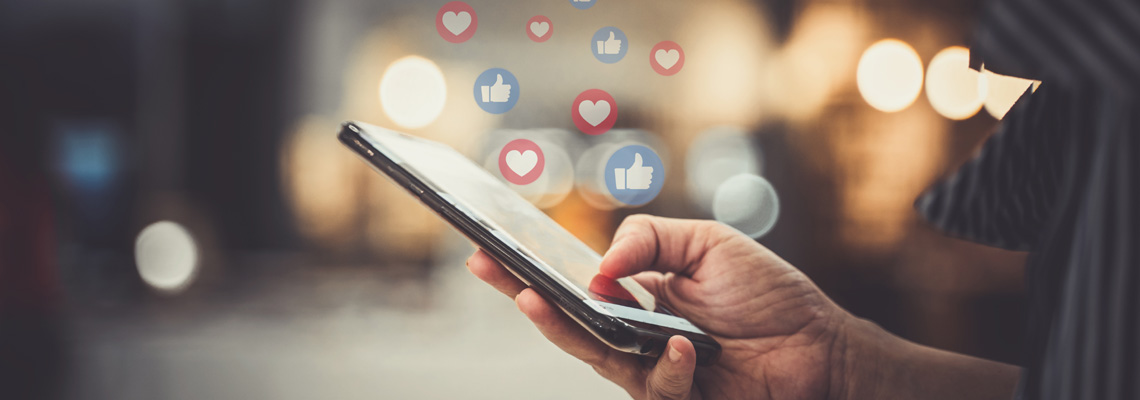
How Social Media Can Impact Your Personal Injury Case
The moment you file a personal injury claim in Florida, your social media accounts become a target for insurance adjusters and defense attorneys looking for any reason to reduce or deny your compensation. A single photo, check-in, or comment, even one posted with good intentions, can be taken out of context and used to argue that your injuries are less severe than you claim. Adjusters routinely review a claimant’s public profiles early in an investigation, and once a lawsuit is filed, defense attorneys can formally request relevant posts and photos through discovery.
At The Law Offices of Scott Sobol, we have spent more than 20 years helping accident victims throughout our full range of personal injury practice areas hold negligent parties accountable, and in that time we have watched social media evidence grow from a rare tactic into one of the first things an insurance company checks after a claim is filed. Our team helps clients understand exactly what to avoid online while a claim is pending so that a careless post does not undo months of medical treatment and documentation.
How Insurance Companies Use Social Media Investigations Against You
Insurance companies are in the business of minimizing payouts, and social media has become one of their most powerful investigative tools. When you file a personal injury claim, it is standard practice for insurance adjusters, and sometimes private investigators working on their behalf, to thoroughly examine your online presence across every platform you use.
Their social media investigation typically focuses on finding evidence to contradict your claimed injuries or damages. For example, if you are seeking compensation for a back injury that allegedly limits your mobility, but your Instagram shows you hiking or playing sports, this creates an immediate credibility issue. Even if these activities occurred before your accident, or the photos are misleading about your actual capabilities, they can still damage your case in the eyes of an adjuster or a jury.
Insurers and defense teams commonly look for the following types of content:
- Physical activity: photos or videos showing activities inconsistent with your claimed injuries
- Location check-ins: posts at places that suggest greater mobility than claimed
- Lifestyle posts: mentions of travel, social events, or hobbies that contradict your testimony
- Inconsistent statements: comments about your accident that differ from what you told your doctor or the insurance company
- Emotional state: posts revealing a mood that contrasts with claims of emotional distress
Remember that even seemingly innocent posts can be misconstrued when taken out of context. Insurance companies only need to plant a seed of doubt about the severity of your injuries to justify offering a lower settlement, and they can potentially use nearly anything you post to do it. This is one of many reasons why technology has changed how evidence is gathered and used in personal injury cases, often in ways that cut both for and against an injured claimant.
Common Social Media Mistakes That Can Harm Your Personal Injury Claim
Many personal injury victims inadvertently damage their own cases through avoidable social media errors. Knowing these common pitfalls in advance can help you protect your claim from the moment you are injured.
Posting About Your Accident or Injuries
Discussing details of your accident or injuries online creates a permanent, searchable record that can be used against you. Even statements as simple as “I’m feeling better today” or “the accident wasn’t that bad” can be taken out of context to suggest your injuries are less severe than claimed.
Insurance adjusters look for inconsistencies between your social media statements and your official claim documents or medical records. Any discrepancy, no matter how minor it seems to you, can damage your credibility and be used to question the legitimacy of your entire claim.
Sharing Photos or Videos of Activities
Visual evidence is particularly damaging in personal injury cases. Photos or videos showing you engaged in physical activities, whether it is playing with your children, working in your garden, or attending a social event, can be used to contradict claims about limited mobility or ongoing pain.
Even if these activities caused significant pain or required days to recover from afterward, the images alone can create a narrative suggesting you are less injured than you claim. Insurance adjusters will not see the suffering before or after the photo was taken. They will only see what appears, on the surface, to undermine your case.
Accepting New Friend or Connection Requests
During litigation, be wary of new friend or connection requests, especially from people you do not personally know. Insurance investigators sometimes create fake profiles to gain access to your private content. Once accepted, they can view posts, photos, and other information you have restricted from public view.
This tactic has become increasingly common, which makes it essential to carefully vet new connection requests while your case is pending. Even requests with mutual friends attached should be scrutinized, since these can be cultivated relationships designed specifically to access your information.
Checking In at Locations or Leaving Location Tracking Enabled
Location check-ins and geotagged photos tell insurance investigators exactly where you were and, by extension, what you were physically capable of doing at that moment. A check-in at a gym, a theme park, or even a friend’s house can be used to argue that your claimed limitations do not match your actual activity level.
Insurance companies do not stop at reviewing your public posts. Some investigators go further, using surveillance methods such as video recording your daily activities, which raises separate legal questions about what is and is not permitted during a Florida insurance investigation. Our related coverage on whether hidden cameras are legal for insurance investigations in Florida explains how these surveillance tactics work alongside social media monitoring.
Are Social Media Posts Legally Discoverable in Florida?
Many injured Floridians assume that setting a profile to “private” keeps their posts out of a lawsuit. That assumption can be costly. In Nucci v. Target Corp. (2015), a slip-and-fall case, Florida’s Fourth District Court of Appeal held that placing a Facebook profile on private settings does not shield relevant photos from being requested during a personal injury lawsuit, as The Florida Bar News reported at the time. Once litigation begins, Florida’s discovery rules allow the opposing party to request production of relevant, non-privileged information, and courts have repeatedly found that relevant social media content falls within that scope.
The court reasoned that photos a person chooses to share with friends carry little expectation of privacy, and that because the plaintiff had placed her physical condition at issue, photos showing her activities were relevant to the case. Privacy settings limit who can see a post in the ordinary course, but they do not create a legal shield once a court determines the content is relevant to the case at hand.
This does not mean every post you have ever made becomes fair game. Florida courts have also limited overly broad discovery requests, and a request for your entire account history is not automatically permitted. Still, the safest approach is to assume that anything you post, public or private, could eventually be reviewed by the opposing side.
How Florida’s Comparative Negligence Standard Can Interact With Social Media Evidence
Florida follows a modified comparative negligence standard under Florida Statute 768.81, which means the compensation you may recover can potentially be reduced by your own percentage of fault in causing the accident, and since the 2023 amendment to subsection (6) of that statute, a plaintiff found more than 50 percent at fault for their own harm generally cannot recover any damages at all. Social media evidence rarely changes who caused an accident, but it can be used by the defense to argue that your damages, meaning the extent and value of your injuries, should be reduced.
For example, if photographs suggest you returned to full activity shortly after your accident, the defense may argue this supports a lower valuation of pain and suffering or lost future earning capacity, even if liability for the crash itself is not seriously disputed. Understanding this distinction, between fault for the accident and the value of your damages, helps explain why insurance companies invest so much effort in monitoring claimants’ online activity even in cases where liability seems clear.
The same 2023 law, House Bill 837, also shortened Florida’s deadline for most negligence lawsuits from four years to two years. You can review Florida’s statute of limitations for injury lawsuits for details, and it is one more reason to speak with an attorney early rather than waiting to see how a social media issue plays out.
Best Practices for Social Media During Your Personal Injury Case
While the safest approach would be avoiding social media entirely until your case resolves, this is not realistic for many people. Instead, we recommend the following guidelines to protect your claim while still living your life:
- Adjust privacy settings to the highest level on every platform you use, understanding this limits public exposure but does not guarantee legal protection
- Decline unfamiliar requests from people you do not personally know, even if you share mutual connections
- Ask friends and family not to tag you in photos or posts while your case is pending
- Disable location tracking and check-in features across your accounts
- Never post about your accident, your injuries, or your recovery process, even in general terms
- Consider a temporary pause on posting during the most active phases of your case
Above all, assume that anything you post could eventually be seen by the insurance company or defense attorneys. If you would not be comfortable with a statement or image being shown to a jury, do not share it online while your claim is active.
What to Do if You Have Already Posted Something That Could Hurt Your Claim
If you realize, after the fact, that you have already posted something that could be used against you, do not panic, and do not simply delete it. Deleting posts, photos, or entire accounts after you know or reasonably should know that litigation is possible can raise separate legal problems related to the destruction or spoliation of evidence, which can create additional complications for your case beyond the original post itself.
Instead, talk to an attorney before you take any action on your accounts. We can review what has already been posted, evaluate how significant a concern it may be, and advise you on next steps that protect your legal position rather than compound the issue. In many cases, a post that seems damaging at first glance can be placed in proper context once the full circumstances are explained, especially when it is paired with strong supporting documentation. Our guide on documenting your injury to build a strong case covers the kind of records that can offset a questionable social media post.
How We Help Protect Your Claim From Social Media Attacks
The digital landscape presents real challenges for personal injury victims, but our attorneys can help you address these issues from the start of your case. At The Law Offices of Scott Sobol, we provide practical guidance on protecting your online presence throughout litigation, and we work with clients from day one to put good habits in place before an insurance company ever goes looking.
When social media evidence does surface, our team works to place that content in proper context and to push back against attempts to mischaracterize what a post actually shows. Attorney Scott Sobol has represented more than 1,000 clients and their families in personal injury matters throughout Florida, and that experience includes countering the kinds of social media tactics insurance companies rely on to minimize claims involving car accidents, slip and falls, and other personal injury matters across Broward County.
Frequently Asked Questions About Social Media and Personal Injury Claims
Can insurance companies see my private social media posts during a Florida personal injury claim?
In many cases, yes. Florida courts have held that privacy settings do not automatically protect posts from being requested once litigation begins and the content is relevant to your claim. The safest approach is to assume anything you post, public or private, could eventually be reviewed by the opposing side.
Should I deactivate my social media accounts after a car accident in Florida?
Deactivating an account is different from deleting one, and the two carry very different risks. Deleting posts or accounts after you anticipate a claim can raise spoliation concerns. Speak with an attorney before taking any action so you understand which options are safe in your specific situation.
Can I be denied compensation because of an old photo posted before my accident?
An old photo can potentially be used by an insurance company to argue about your activity level or physical condition, even if it was taken before your accident. An experienced attorney can help place outdated content in proper context so it does not unfairly reduce the value of your claim.
What should I do if I already posted something about my accident before hiring an attorney?
Do not delete the post on your own. Contact an attorney first so the situation can be evaluated properly. In many cases a post that looks concerning at first can be explained or contextualized, and deleting it yourself can create separate evidence problems that are harder to resolve.
Can my friends’ or family members’ social media posts affect my personal injury claim?
Yes, posts made by other people that tag you, mention you, or show you can potentially be reviewed if they become relevant to your case. This is why we recommend asking friends and family not to tag you in photos or discuss your accident online while your claim is pending.
Every case is different, and the specific risks your social media activity poses depend on the facts of your accident, your injuries, and how your claim is proceeding. Our team has spent more than 20 years helping Florida accident victims protect their claims from these kinds of tactics, and we bring that same attention to detail to every client’s digital footprint.
Do not let a careless post undermine your right to fair compensation. If you have questions about your social media activity and how it could affect your personal injury claim, reach out to The Law Offices of Scott Sobol through our contact form to discuss your case.

LEGALLY REVIEWED BY:
Scott Sobol
September 28, 2026
Recent Posts

You did everything right after your accident. You called the police, exchanged information at the scene, and gave a truthful stateme ...

A car accident can turn your life upside down in a matter of seconds. Between hospital visits, missed paychecks, and phone calls fro ...

Can You Still Recover Compensation If the At-Fault Driver Has No Bodily Injury Coverage in Florida? - 08/18/26
A car crash is stressful enough before you find out the other driver has almost no insurance at all. Many people assume that if some ...
