
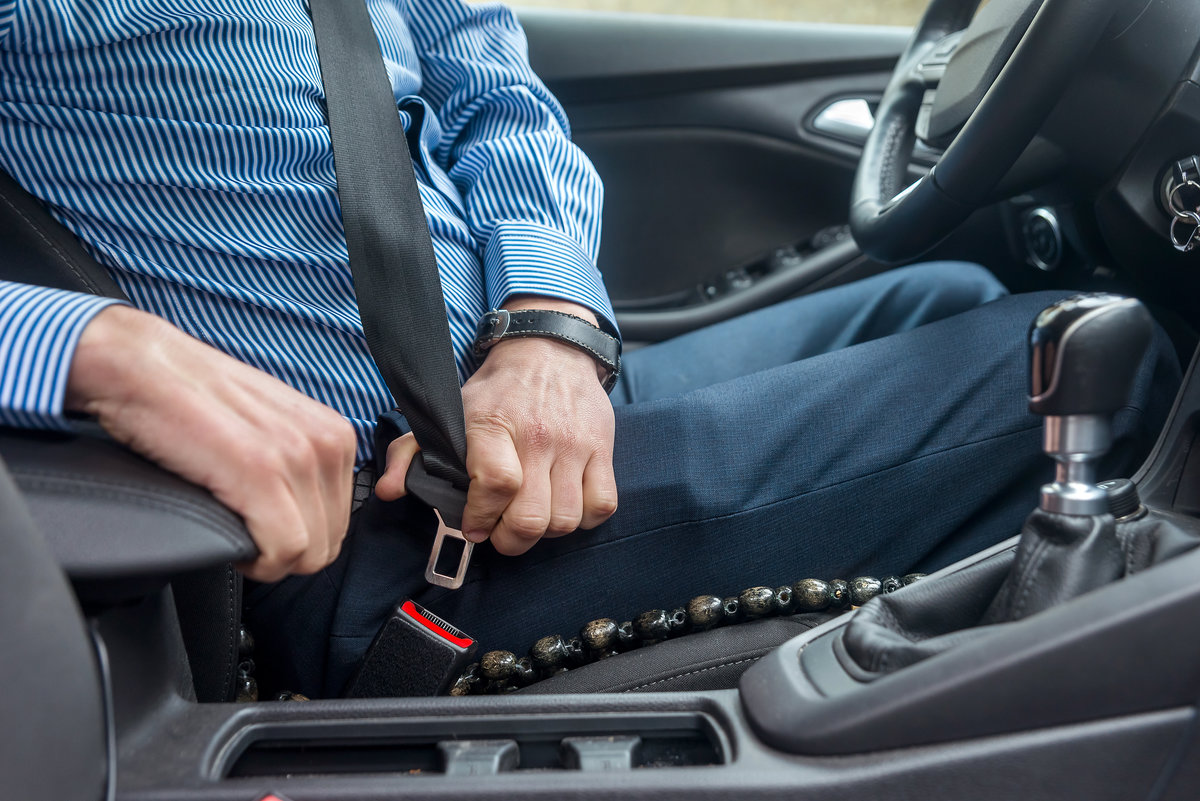
What Happens to Your Personal Injury Case If You Were in the Car Without a Seatbelt?
If you were hurt in a crash and weren’t wearing your seatbelt, you may worry that your case is over before it starts. Fortunately, that usually isn’t the case. Not wearing a seatbelt can affect how much compensation you recover in Florida, but it does not automatically prevent you from bringing a personal injury claim.
The important question is how much your decision not to wear a seatbelt contributed to your injuries. That distinction can have a significant impact on a car accident claim, which is why understanding how Florida law treats seatbelt use can help you know what to expect as your case moves forward.
How Florida’s Seatbelt Law Works in a Personal Injury Claim
Florida law requires drivers and front-seat passengers to wear seat belts, and every passenger under 18 must be belted regardless of where they sit. An officer can cite a seatbelt violation on its own because Florida treats it as a primary enforcement offense.
That said, Florida Statute 316.614 also states that a seatbelt violation does not, on its own, constitute negligence and cannot be treated as automatic proof of negligence. The statute does allow a seatbelt violation to be considered as evidence of comparative negligence in a civil case, meaning it may factor into how damages are calculated without making you at fault for causing the crash itself.
Comparative Negligence and Your Compensation
Florida moved from a pure comparative negligence system to a modified comparative negligence system in 2023. Under this system, you can recover compensation in proportion to the other driver’s share of fault, but only if your own share of responsibility is 50 percent or less. If a jury finds you more than 50 percent at fault, you cannot recover damages from the other driver.
Not wearing a seatbelt may become part of that fault discussion. Florida law allows seatbelt use to be considered when determining comparative negligence, so an insurer or defense attorney may raise the issue when evaluating your injuries and compensation. Depending on the circumstances, that could involve:
- Claiming that a specific injury would have been less severe if you had been wearing a seatbelt
- Using your lack of seatbelt use as a reason to push for a lower settlement
- Asking a jury to consider the issue alongside the other evidence when dividing fault
None of this automatically means you were responsible for the crash or that you cannot recover compensation. The other driver’s conduct still matters, including factors such as speeding or distracted driving, and any attempt to reduce your compensation based on seatbelt use must be supported by evidence linking it to your injuries. These kinds of fault disputes can arise across many of the cases covered by our practice areas, making the details of what happened especially important when evaluating a claim.
Why the Other Driver’s Actions Still Matter Most
Even when a seatbelt issue is raised, the primary cause of your crash is almost always the other driver’s conduct, such as speeding, distracted driving, or running a red light. Insurance companies sometimes lean on the seatbelt issue to shift attention away from their policyholder’s actions, but we build cases that keep the focus on the negligence that caused the wreck in the first place, an approach reflected in our case results.
What the Research Says About Seatbelt Use
According to the National Highway Traffic Safety Administration, seat belt use by adult front-seat passengers was 91.2 percent in 2024, and lap and shoulder belts reduce the risk of fatal injury to front-seat occupants by 45 percent. That data helps explain why insurers raise the issue, but it does not change the legal question of who caused your crash.
How You Can Work to Protect Your Claim
Documentation and prompt medical care matter just as much here as in any other injury claim. Seeking medical attention right away, even if you feel mostly fine, and keeping records of every doctor visit, diagnosis, and treatment plan can make a real difference later. It also helps to avoid discussing seatbelt use with an insurance adjuster before speaking with a lawyer, since adjusters are trained to ask questions that can make an injured person feel at fault, even when they were not.
Get Help With Your Seatbelt-Related Injury Claim From Scott Sobol
You do not have to face an insurance company alone while trying to recover from an injury that was not your fault. We stay in close contact with our clients throughout every stage of the process, and our client testimonials reflect the kind of direct, honest communication we bring to every case we handle. We work on a contingency fee basis, so you don’t pay unless we help you win your case.
If you were injured in a crash and are unsure how a seatbelt issue might affect your claim, we may be able to help you understand your options and pursue the compensation you deserve. Reach out through our contact form today for a free consultation.

LEGALLY REVIEWED BY:
Scott Sobol
October 21, 2026
Recent Posts

Yes, you can pursue compensation after a South Florida parking lot accident if another driver’s negligence caused your injurie ...

You did everything right after your accident. You called the police, exchanged information at the scene, and gave a truthful stateme ...
A car accident can turn your life upside down in a matter of seconds. Between hospital visits, missed paychecks, and phone calls fro ...
