
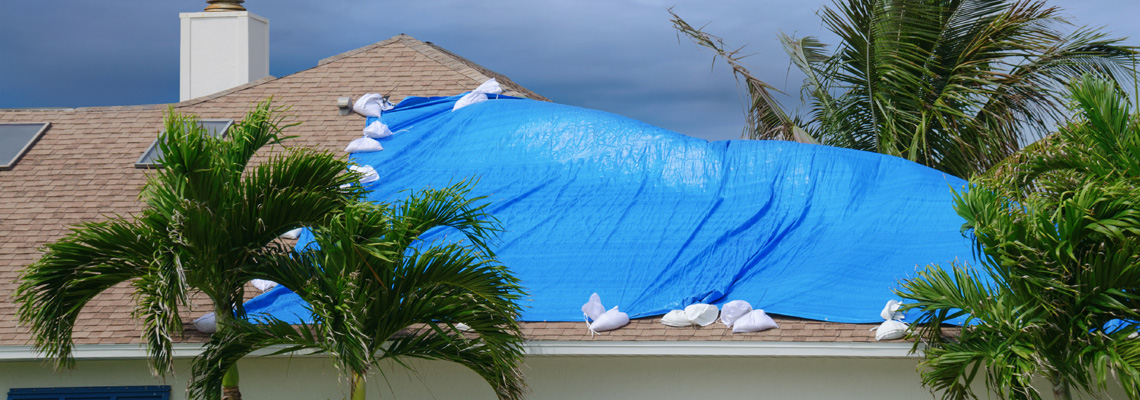
Prepping for a Hurricane During the Off-Season
Legally Reviewed by Scott Sobol, Esq. on August 13, 2026
The best time to prepare for hurricane season in Florida is during the off-season, well before a storm is approaching and shelves, contractors, and insurance adjusters are stretched thin. Preparation is more than just stocking up on supplies; it also means safeguarding your home, reviewing your insurance coverage, and knowing what to do if a storm leads to property damage or an accident.
While most people associate personal injury lawyers with cases like car accidents, hurricanes can also lead to accidents and property losses where legal guidance becomes valuable, from storm-damaged homes to insurers that delay or underpay a claim. If a hurricane leaves you dealing with property damage, our hurricane insurance claims team can help you understand your policy and your options.
5 Ways to Prep for Hurricane Season During the Off-Season
Although hurricanes often strike with only days of warning, there are several steps you can take to protect your rights, your property, and your safety during the off-season, including the following.
Research Your Evacuation Route
If you live near the coast or in a low-lying area, you will likely need to evacuate in the event of a hurricane. Florida’s Division of Emergency Management maintains a statewide evacuation zone and shelter lookup tool you can use to confirm your zone and plan a route before storm season begins, including arrangements for pets, which most public shelters restrict or exclude.
Keep Non-Perishables and Other Supplies On Hand
When a hurricane strikes, many people rush to the store to buy as many supplies as possible. During the off-season, stock up on batteries, canned goods, candles, matches, and drinking water, following the supply guidance in FEMA’s hurricane preparedness checklist. Having these items on hand ahead of time can help you avoid crowds and stay safe once a storm is approaching.
Inventory Your Personal Property
Cataloging your personal property before a disaster strikes can help you determine whether you have enough insurance to cover your belongings. Photos, receipts, and a written inventory can also help expedite the claims process if your property is damaged in a hurricane.
Reviewing Your Insurance Policy
Your homeowners’ insurance will typically cover the cost of temporary repairs for hurricane damage, as well as reasonable additional living expenses if you have to relocate. However, most homeowner policies do not cover flood damage, so it is worth looking into a separate flood policy before hurricane season starts. If your insurer later denies or underpays a legitimate claim, our hurricane insurance claims attorneys can review your policy and help you evaluate your options.
Protecting Your Home
To mitigate hurricane damage, it is worth storm-proofing your home during the off-season. Installing storm shutters, trimming weak tree branches, and replacing loose rock landscaping with wood chips can all lessen the damage a storm causes to your home. Making these adjustments is often less costly than repairing storm damage after the fact.
What About Accidents That Happen During or After a Storm?
Hurricanes do not only damage property; they also create hazardous driving conditions before, during, and after landfall, from downed trees and traffic signals to flooded roads. If a crash happens in weather-related conditions, questions about who is responsible for property damage in a stormy weather car accident often come up, since severe weather does not automatically excuse a driver from liability. Some insurers or opposing parties may try to characterize a weather-related crash as an unavoidable “act of God,” but that defense has real legal limits, and a driver who fails to adjust to hazardous conditions can still be found negligent.
Consult a Knowledgeable Hurricane Attorney at The Law Offices of Scott Sobol
When hurricanes strike in Florida, the resulting physical and financial impact can be overwhelming. At the Law Offices of Scott Sobol, we help clients dealing with hurricane-related property damage and storm-related accidents understand their insurance policies and their legal options. We know the intricacies of insurance claims and the stress that comes with storm losses, and we are here to help make sure you receive what your policy owes you.
Preparing before hurricane season arrives puts you in a stronger position if disaster strikes. Contact us for a complimentary consultation at (954) 440-2000 or through our contact form.
Frequently Asked Questions About Hurricane Preparedness and Claims
When should I start preparing for hurricane season in Florida?
Start during the off-season, well before storms are forecast. Supplies, contractors, and insurance adjusters all become harder to reach once a storm is approaching, so early preparation gives you more options and often lower costs.
Does my homeowners’ insurance cover hurricane damage?
Most homeowners’ policies cover wind damage and related temporary living expenses, but they typically exclude flood damage, which requires a separate flood insurance policy. Reviewing your policy before hurricane season starts helps you identify any coverage gaps.
What should I do if my insurer denies or underpays my hurricane damage claim?
Document the damage thoroughly with photos and a written inventory, keep copies of all correspondence with your insurer, and consider having an attorney review the denial or the payout offered. Insurers do not always initially offer what a policy actually owes.
Can a driver be held liable for a car accident caused by hurricane weather?
Yes, in many cases. Severe weather does not automatically excuse a driver from responsibility. A driver who fails to adjust their speed or driving to hazardous storm conditions can still be found negligent.
Do I need to catalog my personal property before hurricane season?
Yes. A written inventory with photos or video, along with receipts where available, can speed up the claims process and help demonstrate the value of damaged or lost property after a storm.
ABOUT THE ATTORNEY
Founding Attorney, The Law Offices of Scott Sobol
Scott Sobol has represented more than 1,000 personal injury clients across South Florida’s circuit courts and is admitted to practice law in Florida, Illinois, and Texas. He and his team focus on car accident, premises liability, and insurance dispute matters for both Florida residents and visitors.

LEGALLY REVIEWED BY:
Scott Sobol
August 13, 2026
Recent Posts

Yes, you can pursue compensation after a South Florida parking lot accident if another driver’s negligence caused your injurie ...

If you were hurt in a crash and weren’t wearing your seatbelt, you may worry that your case is over before it starts. Fortunat ...

You did everything right after your accident. You called the police, exchanged information at the scene, and gave a truthful stateme ...
