
Florida Traffic Camera Laws: How to Obtain and Use Footage in Your Accident Claim
Traffic camera footage can transform a disputed accident claim into an open-and-shut case. When witness accounts conflict and physical evidence proves inconclusive, video evidence often reveals exactly what happened in those critical seconds before impact. Florida maintains an extensive network of traffic cameras throughout its roadways, yet many accident victims never realize this powerful resource exists or understand how to access it for their claim.
At The Law Offices of Scott Sobol, we help injured individuals navigate the complexities of gathering evidence, including traffic camera footage, to build strong personal injury cases. With over 20 years of experience representing more than 1,000 clients throughout South Florida, our team understands how to leverage this technology to support your claim and secure the compensation you deserve.
Understanding Florida’s Traffic Camera System
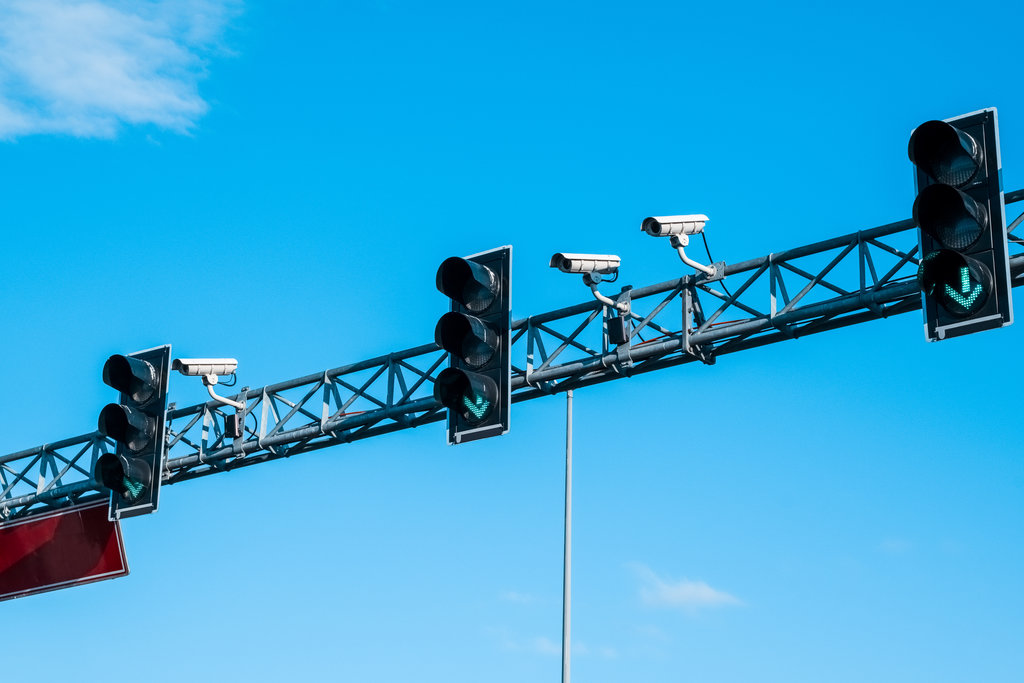
Florida operates several types of traffic cameras across its roadways, each serving distinct purposes and managed by different entities. Red light cameras monitor intersections to catch drivers running traffic signals, while speed cameras track vehicles exceeding posted limits in school zones and construction areas. Highway surveillance cameras provide real-time traffic monitoring on major corridors, and municipalities maintain their own camera networks for traffic management.
The Florida Department of Transportation oversees many highway cameras throughout the state, while local governments control cameras within city limits. Private businesses, parking facilities, and residential communities also operate cameras that may capture roadway incidents. This fragmented system means obtaining footage requires identifying which entity controls the relevant camera and following their specific procedures.
How to Identify and Request Traffic Camera Footage
Start by documenting the exact location of your accident immediately after it occurs. Note the nearest intersection, highway mile marker, or distinctive landmarks that will help pinpoint camera locations. Many intersections display signs indicating red light camera enforcement, though surveillance cameras may not be as obvious.
Contact the appropriate agency based on where your accident occurred. For state highways, reach out to FDOT’s regional office serving your area. For city streets, contact the local police department or traffic management division. Property owners control cameras on private property, so you’ll need to identify and contact them directly for any relevant footage.
The Public Records Request Process
Florida’s robust public records laws provide access to government-held traffic camera footage through formal requests. Submit a written public records request to the controlling agency, clearly describing the date, time, and location of the incident. Include specific details about which camera angle you need and provide a reasonable timeframe around the accident.
Agencies typically charge fees for locating, reviewing, and copying footage. These costs vary but may include staff time for retrieval and media duplication expenses. Some agencies require payment upfront, while others invoice after fulfilling the request. Processing times range from a few days to several weeks depending on the agency’s workload and the complexity of your request.
Using Traffic Camera Footage in Your Accident Claim
Traffic camera footage serves multiple purposes in building a successful injury claim. The footage establishes liability by showing which driver violated traffic laws or acted negligently. It may reveal a vehicle running a red light, making an illegal turn, or failing to yield right of way. This objective evidence often proves more persuasive than conflicting witness statements.
The footage also documents the severity of impact, which helps demonstrate the force involved in the collision. Insurers may dispute injury claims by suggesting the accident was minor, but video showing a violent collision supports your argument for serious injuries requiring substantial compensation. Additionally, footage can identify previously unknown witnesses whose contact information might appear on business signage or vehicle markings visible in the video.
Legal Considerations When Obtaining Camera Footage
Florida law protects access to public records, but certain exceptions apply to traffic camera footage. Active criminal investigations may exempt footage from immediate release. Privacy concerns occasionally limit distribution of footage showing bystanders or private property. Understanding these limitations helps set realistic expectations about what you can obtain.
Private camera footage falls outside public records laws, meaning property owners decide whether to share their recordings. Some cooperate willingly, especially businesses that want to maintain good community relations. Others refuse or demand compensation. An experienced attorney can often negotiate access to private footage more effectively than accident victims attempting to do so alone.
Preserving Footage Through Legal Action
When standard requests fail or time runs short before footage deletion, legal mechanisms exist to preserve evidence. Your attorney can send a spoliation letter demanding the footage’s preservation, putting the controlling party on notice that destroying evidence could result in legal consequences. If necessary, your lawyer may file a lawsuit and issue subpoenas compelling footage production before it disappears.
Contact The Law Offices of Scott Sobol Today
Traffic camera footage can make or break your accident claim, but obtaining it requires prompt action and knowledge of Florida’s complex camera systems. The Law Offices of Scott Sobol has the experience and resources to track down, preserve, and effectively use video evidence in your case. With over 100 five-star client reviews on Google and successful representation of clients throughout Broward County’s circuit courts, our firm combines personalized attention with proven results. We work on a contingency fee basis, meaning you pay nothing unless we win your case. Contact us today to discuss how we can help you obtain critical camera footage and build the strongest possible case for your injuries.

LEGALLY REVIEWED BY:
Scott Sobol
January 5, 2026
Recent Posts

If you’ve filed a personal injury claim in Florida, you may wonder whether insurance companies can legally use hidden cameras ...

When you file an insurance claim after an accident in Florida, waiting for a response can feel endless, especially when medical bill ...

Government agencies throughout Florida maintain extensive records that could prove essential to your accident claim—from 911 call ...
