

How Long Do Florida Insurance Companies Have to Respond to My Claim?
When you file an insurance claim after an accident in Florida, waiting for a response can feel endless, especially when medical bills are piling up and vehicle repairs are urgent. Florida law establishes specific timeframes insurance companies must follow when handling claims. Understanding these deadlines helps you recognize when an insurer is delaying unreasonably and when you may need legal intervention.
At The Law Offices of Scott Sobol, we help injured individuals throughout South Florida hold insurance companies accountable when they fail to respond appropriately to valid claims. With over 20 years of experience representing clients in personal injury matters, we understand the tactics insurers use to delay or deny legitimate claims. If an insurance company is stalling your claim, contact us to discuss your options.
Florida’s Insurance Response Timeline Requirements
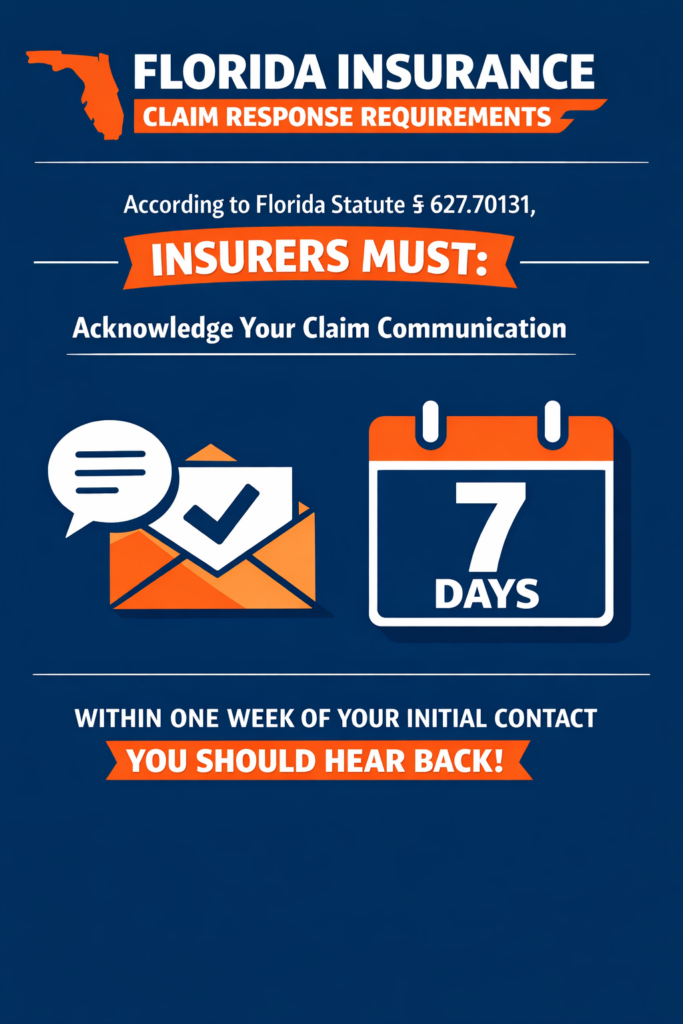
Florida places specific obligations on insurance companies when it comes to responding to claims. According to Florida Statute § 627.70131, insurers are required to acknowledge receipt of a claim communication within 7 calendar days. That means within one week of your first contact, you should hear something back. From there, the insurer must begin its investigation within 7 days of receiving your proof-of-loss statement, and any physical inspection of property must be completed within 30 days.
Perhaps most importantly, the insurer has 60 days from the date it receives notice of a claim to either pay or formally deny the claim. If that 60-day window passes without action, interest begins to accrue on the unpaid amount from the date the claim was filed. These timelines are designed to protect you from indefinite delays.
These deadlines apply to most property and casualty insurance claims in Florida, including those related to car accidents, premises injuries, and other personal injury situations. However, certain circumstances may affect these timeframes. For example, if the insurance company needs additional information from you, they must request it within 30 days of receiving your claim. You then have a reasonable time to provide the requested documentation.
What Happens During the Investigation Period
Insurance companies use the investigation period to gather evidence, review police reports, examine medical records, and assess liability. The insurer may contact witnesses, review photographs of the accident scene, and evaluate the extent of your injuries and property damage. During this time, an adjuster will likely contact you to discuss the accident and your injuries.
While insurers have the right to investigate claims thoroughly, they cannot use the investigation period as an excuse for indefinite delays. Florida law requires insurance companies to conduct investigations in good faith. If an insurer is dragging out the process without legitimate reasons, they may be acting in bad faith. You should document all communications with the insurance company, including dates, times, and the names of representatives you speak with.
Signs Your Claim Is Being Unreasonably Delayed
Several red flags may indicate an insurance company is improperly delaying your claim. Repeated requests for the same documentation you have already provided suggests the insurer is stalling. If adjusters fail to return your calls or emails for extended periods, this may signal the company is not handling your claim in good faith. When an insurer provides vague explanations for delays without specific reasons or timelines, you should be concerned.
Insurance companies sometimes request unnecessary information that has little relevance to your claim. For instance, if you were rear-ended at a stoplight, requesting your complete driving history from the past decade is likely unnecessary. Additionally, if the 60-day period has passed without any substantive communication about your claim’s status, the insurer may be violating Florida law. These delays can be particularly problematic when you are facing mounting medical expenses and need compensation to cover treatment costs.
When the Clock Can Be Paused
Florida law does permit insurers to pause, or “toll,” these deadlines under certain circumstances. If you fail to provide the requested claim documentation within 10 days of the insurer’s request, the clock may stop until that information is received. Similarly, if your claim is in mediation or an alternative dispute resolution process, the deadlines are paused for the duration of that proceeding. Factors genuinely outside the insurer’s control, such as a declared state of emergency, may also result in an extension of up to 30 days.
These exceptions are real, but they are not a blank check for insurers to stall indefinitely. If you believe the pauses being applied to your claim are unjustified, that is a red flag worth discussing with an attorney.
Your Rights When Insurance Companies Miss Deadlines
When an insurance company fails to respond within the required timeframes, you have several options. You can file a complaint with the Florida Department of Financial Services, which oversees insurance companies operating in the state. The department can investigate the insurer’s handling of your claim and potentially take action against companies that violate state regulations.
You may also have grounds for a bad faith insurance claim. Florida law prohibits insurers from unreasonably delaying or denying valid claims. Florida Statute § 624.155 allows injured parties to bring legal action against an insurer that does not make a good-faith effort to settle a legitimate claim. Note that Florida’s recent tort reform updates raised the bar for bad faith claims — negligence alone no longer meets the standard. A pattern of unreasonable delays, denials without explanation, or lowball offers can still form the basis of a bad faith action when combined with other evidence of unfair conduct.
If you can demonstrate the insurance company violated the statutory deadlines without justification, you may be entitled to additional compensation beyond your original claim amount. Bad faith claims can result in awards for attorney fees, interest on the delayed payment, and even punitive damages in cases involving particularly egregious conduct.
What You Should Do While Waiting on a Response
Waiting on an insurer does not mean doing nothing. The steps you take during this period can significantly affect the outcome of your claim.
- Document everything: Keep a written log of every communication with the insurance company, including dates, times, names, and what was discussed.
- Respond promptly: Return any insurer requests for information quickly to avoid giving them grounds to pause the clock.
- Keep records of your losses: Save all medical bills, repair estimates, missed work documentation, and any other expenses tied to your injury.
- Do not accept early offers without counsel: Insurers sometimes extend fast, low settlement offers before the full extent of injuries is known. Accepting too soon may prevent you from recovering what you truly deserve.
- Consult an attorney: If the insurer is unresponsive or acting in bad faith, an experienced personal injury attorney can apply legal pressure and explore your options.
Following these steps puts you in a much stronger position, whether the claim resolves on its own or escalates to litigation.
How The Law Offices of Scott Sobol Can Help
Insurance companies have teams of lawyers working to minimize payouts and protect their bottom line. You deserve equally strong representation to ensure your rights are protected. At The Law Offices of Scott Sobol, we have successfully represented more than 1,000 clients in personal injury matters throughout South Florida, securing substantial settlements and verdicts for accident victims. Our case results speak to a long history of holding insurers accountable and obtaining meaningful outcomes for the people we represent.Scott Sobol maintains admissions to the State Bar of Florida, Illinois, and Texas, bringing extensive legal experience to every case.
We operate on a contingency fee basis, meaning you pay nothing unless we recover compensation for you. If an insurance company is delaying your claim or refusing to provide a fair settlement, reach out to us today for a free consultation to discuss your legal options.

LEGALLY REVIEWED BY:
Scott Sobol
September 21, 2026
Recent Posts

You did everything right after your accident. You called the police, exchanged information at the scene, and gave a truthful stateme ...

A car accident can turn your life upside down in a matter of seconds. Between hospital visits, missed paychecks, and phone calls fro ...

Can You Still Recover Compensation If the At-Fault Driver Has No Bodily Injury Coverage in Florida? - 08/18/26
A car crash is stressful enough before you find out the other driver has almost no insurance at all. Many people assume that if some ...
