
Are Hidden Cameras Legal for Insurance Investigations in Florida?
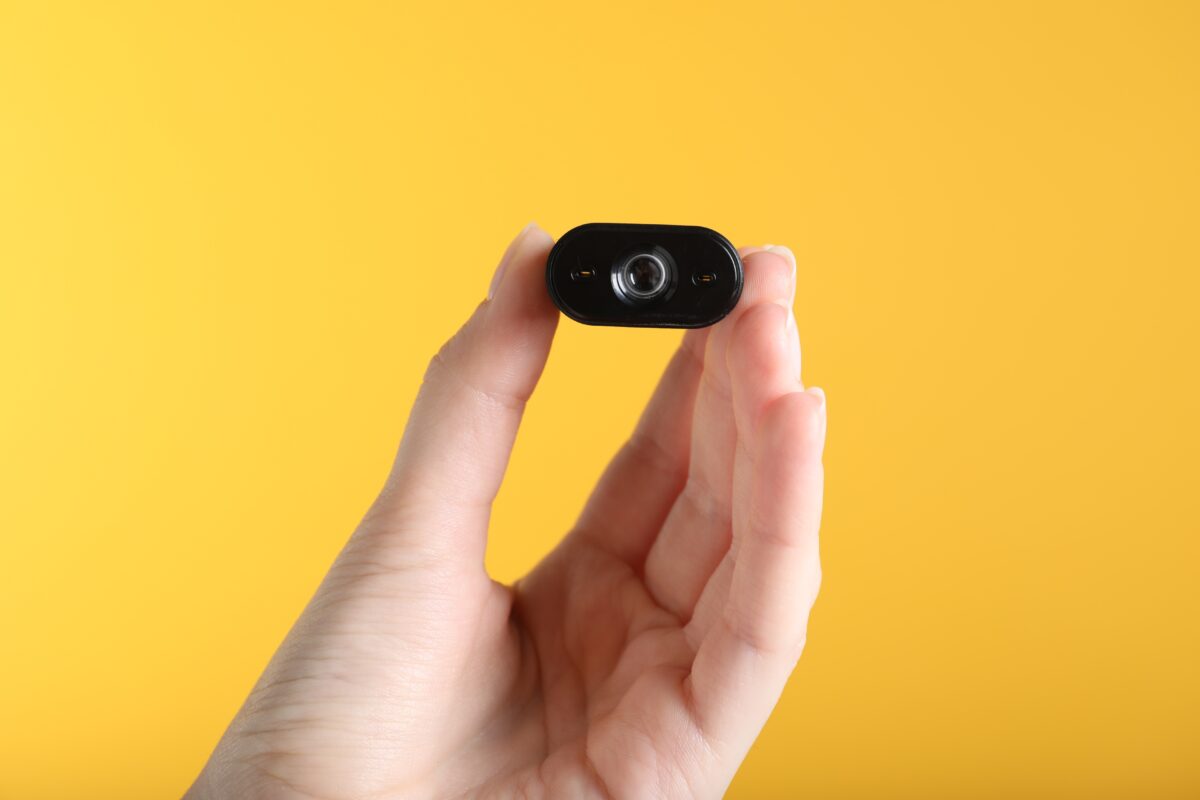
Insurance companies can legally use hidden cameras to record your activities in public after you file a personal injury claim in Florida, but there are firm limits on when and where that surveillance is allowed. Insurance fraud is a legitimate concern for insurers, and they often watch claimants to check whether reported injuries match observed behavior. At the same time, Florida law protects individuals from certain invasive surveillance practices, and understanding those boundaries is essential if you are pursuing compensation after an accident.
At The Law Offices of Scott Sobol, we represent injured individuals throughout South Florida as they work through the insurance claims process. With more than 20 years of experience handling personal injury cases, Scott Sobol understands the tactics insurance companies use during claim investigations. If you have concerns about surveillance or your claim is being challenged based on investigative findings, contact us to discuss your rights and options.
Florida’s Two-Party Consent Law for Audio Recording
Florida Statute 934.03 establishes strict requirements for recording conversations. Florida is a “two-party consent” state, meaning all parties to a conversation generally must consent before it can be recorded, whether the conversation happens in person, over the phone, or through electronic communication. Violating this statute is a third-degree felony, punishable by up to five years in prison, and it can also expose the violator to civil liability for damages.
This law significantly limits how insurance investigators can conduct surveillance. While they may use hidden cameras to record video footage of your activities, they generally cannot record audio of your private conversations without consent. For example, if an investigator places a hidden camera near your home that captures you talking with family members on your porch, the audio portion of that recording likely violates Florida law. Visual surveillance without audio recording, however, generally falls outside this statute’s restrictions.
It is worth noting that Florida’s consent requirement applies broadly, covering phone calls, video calls, and in-person conversations alike. An investigator who captures silent video but also activates a hidden microphone during the same recording session has still created two separate pieces of evidence with two different legal standards, and only the silent portion is likely to hold up as admissible.
When Video Surveillance Without Audio Is Permitted
Insurance companies can lawfully conduct video surveillance of claimants in public places where there is no reasonable expectation of privacy. If you are walking through a grocery store parking lot, attending a public event, or doing yard work visible from the street, investigators can generally record these activities. That footage can potentially be used to challenge claims about the severity of your injuries or your limitations in daily activities.
Courts have consistently held that individuals have no reasonable expectation of privacy when engaged in activities visible to the general public. An investigator sitting in a vehicle on a public street and recording you as you retrieve your mail or load groceries into your car is generally acting within legal boundaries. Insurance companies often use this type of surveillance to look for inconsistencies between what you report about your injuries and what the footage shows about your physical capabilities.
This type of lawful, public surveillance is one of several tools insurers rely on when reviewing a claim. It is often paired with other publicly available evidence, including footage from traffic and security cameras that may have captured the original incident or your movements afterward.
The public nature of the location matters more than how briefly or incidentally you appear in it. Sitting on your own front porch that faces a public street, for example, is generally treated the same as standing in a parking lot for surveillance purposes, since both are visible to anyone passing by. What changes the analysis is not how public the moment feels to you, but whether a stranger walking or driving past could have seen the same thing without any special equipment or access.
Areas Where You Maintain Privacy Expectations
Florida law recognizes that certain locations deserve stronger privacy protections. You have a reasonable expectation of privacy inside your home, and investigators cannot use hidden cameras to record activities occurring within your residence. Similarly, your backyard, particularly if enclosed by a fence, is considered a private area where surveillance becomes legally problematic. Recording someone inside their home or in other private spaces may violate Florida’s video voyeurism statute, Florida Statute 810.145.
Medical facilities, therapy sessions, and similar settings also maintain strong privacy protections under federal HIPAA regulations and Florida law. Insurance investigators cannot place hidden cameras in medical offices or record your conversations with healthcare providers. If an insurance company obtains video or audio recordings from private locations without proper consent, that evidence may be inadmissible in court proceedings related to your claim.
Semi-private settings raise closer questions. A gym, a private club, or a gated community pool may restrict public access, but courts generally still treat activity in these spaces as visible enough to record if the investigator has a lawful right to be present. The determining factor is usually whether you, or the general membership of that space, would reasonably expect to be shielded from observation, not simply whether the general public can walk in off the street.
Licensing Requirements for Investigators Conducting Surveillance in Florida
Surveillance performed on behalf of an insurance company is not an unregulated activity. Under Florida Statute 493, anyone conducting professional surveillance for compensation, including insurance defense investigations, generally must hold a Class “C” private investigator license issued by the Florida Department of Agriculture and Consumer Services. The licensing requirements include a minimum age, verified experience, and a state examination on Florida investigative law.
This licensing framework matters for claimants because it establishes a standard the investigator’s conduct can be measured against. If surveillance in your case appears to have been conducted by someone without proper licensing, or in a manner that otherwise conflicts with Florida law, that is a detail worth raising with your attorney rather than something you need to investigate yourself.
Licensing also creates a paper trail. A licensed investigator’s agency, employer, and case file are all a matter of record with the state, which gives your attorney a starting point for verifying who conducted the surveillance and under what authority. When that record is missing or inconsistent, it can become a legitimate basis for questioning whether the footage was gathered lawfully in the first place.
How Insurance Companies Typically Conduct Surveillance
Insurance investigators use various methods to monitor claimants while staying within legal boundaries. They often conduct surveillance from public areas, using telephoto lenses to capture activities from a distance. Investigators may follow claimants to document trips to stores, appointments, recreational activities, or social gatherings. They also review social media accounts for posts, photos, and videos that might contradict injury claims, a practice covered in more detail in our discussion of how social media can impact your personal injury case.
Some insurance companies hire private investigators who specialize in surveillance operations. These professionals typically focus on capturing video evidence in public settings. They may observe your daily routine over several days or weeks, looking for patterns that suggest you are more physically capable than your injury claim indicates. For instance, if you have reported that a severe back injury prevents you from lifting objects, but surveillance shows you loading heavy boxes into your vehicle, the insurance company will likely use that footage to dispute your claim.
Surveillance is rarely a single afternoon of observation. Investigators frequently spread their efforts across multiple days spaced weeks apart, since a single unusual moment carries less weight with a claims adjuster or jury than a pattern observed over time. This is also why the consistency of your own account matters more than any individual day. A claimant who is candid about good days and bad days with their doctor is far less vulnerable to a short clip taken on an unusually good day than one who reports uniform limitations that never vary.
What to Do If You Suspect Illegal Surveillance
If you believe an insurance investigator is conducting surveillance that violates Florida law, document everything you can about the suspected activity. Note dates, times, and specific circumstances when you noticed surveillance. If you see unfamiliar vehicles parked near your home repeatedly or notice individuals appearing to follow you, record those observations and take photographs of suspicious vehicles or individuals if you can do so safely. Publicly available records can sometimes support your account as well, and our overview of using Florida’s public records laws to strengthen your accident claim explains how those records are typically obtained.
Contact an attorney if you suspect illegal surveillance. An experienced personal injury lawyer can investigate whether the insurance company or its investigators violated Florida law. If illegal surveillance occurred, the evidence obtained may be inadmissible, and you may have grounds for additional legal action against the insurance company. Florida law provides remedies for individuals whose privacy rights have been violated, including potential civil liability for those who conduct unlawful surveillance.
How Surveillance Fits Into Your Claim Timeline
Surveillance does not happen in isolation. It typically occurs while the insurance company is still evaluating your claim or preparing for litigation, both of which move on defined timelines under Florida law. Insurers have specific deadlines for responding to claims, which our article on how long Florida insurance companies have to respond to your claim covers in detail, and those same review periods are often when surveillance is most likely to occur.
You also have a limited window to file a lawsuit if a fair settlement cannot be reached, a topic addressed in our guide to the deadline to file an injury lawsuit in Florida. Understanding both timelines helps you recognize why an insurer may intensify its review, including surveillance, as those deadlines approach, and why staying in contact with your attorney throughout the process matters.
What Happens After the Insurer Produces Surveillance Footage
Insurance companies rarely disclose surveillance footage the moment they obtain it. In many cases, the footage surfaces later, during a deposition, in response to a discovery request, or alongside a settlement offer that has suddenly changed direction. This timing is intentional. Insurers generally want your sworn testimony about your limitations on the record before you have any reason to know footage exists.
Once footage is produced, it typically gets compared against your medical records, your prior statements, and any deposition testimony you have given. If the footage is genuinely inconsistent with what you have reported, it can influence settlement negotiations or become an exhibit at trial. If the footage is consistent with your reported limitations, or shows an isolated moment that your medical providers can reasonably explain, it often carries far less weight than the insurer initially hoped. Either way, having an attorney review the footage alongside your full medical history before you respond puts you in a far better position than reacting to it on your own.
Having legal representation from early in the claims process, rather than only after surveillance surfaces, gives your attorney the opportunity to build a record that anticipates this kind of challenge. That can include coordinating with your treating physicians, documenting the ordinary variation in your symptoms, and making sure your own statements to the insurer are accurate and consistent from the start, all of which reduce the impact any later footage can have on your claim.
Protecting Yourself During the Claims Process
Understanding that legal surveillance may occur should inform how you conduct yourself while pursuing an injury claim. Be honest and consistent in all statements you make about your injuries and limitations. If you tell your doctor you cannot lift more than 10 pounds but surveillance captures you lifting a heavy bag, that inconsistency can seriously damage your credibility. Avoid exaggerating your injuries or limitations, since even legal surveillance can reveal discrepancies that hurt your case.
Be mindful of your social media presence during the claims process as well. Insurance companies routinely review Facebook, Instagram, and other platforms for information about claimants. A single photo of you engaging in physical activity that seems inconsistent with your claimed injuries can give the insurer ammunition to deny or reduce your claim. Consider adjusting your privacy settings and limiting what you post publicly until your case resolves, and remember that even posts marked private may still be discoverable in litigation.
Consistency with your medical providers matters just as much as consistency in public. Following your prescribed treatment plan and reporting your symptoms accurately at every appointment builds a medical record that lines up with your daily activities, which is the strongest protection against any surveillance an insurer may later produce.
It also helps to keep your own informal record of how your injury actually affects a typical week. Pain and mobility often fluctuate, and a claimant who can explain, with dates and specifics, why a particular day looked better than most is in a much stronger position than one who is caught off guard by footage months later. This is not about preparing an excuse. It is about accurately reflecting the reality of a fluctuating injury, which is exactly what your medical providers are already documenting in your chart.
Steps to Take if You Notice Possible Surveillance
A calm, documented response tends to protect claimants far better than confrontation. Consider the following:
- Do not confront the investigator: Direct confrontation rarely helps and can complicate your claim.
- Write down what you observed: Dates, times, vehicle descriptions, and locations are useful if the surveillance is later challenged.
- Continue following your treatment plan: Consistency between your reported limitations and your daily activities is your best protection.
- Talk to your attorney before responding to any new insurer request: A request for an examination or statement following observed surveillance often signals that the insurer believes it has found something significant.
Taking these steps will not stop lawful surveillance from happening, but they help ensure that any surveillance obtained actually supports, rather than undermines, the truth of your claim.
How The Law Offices of Scott Sobol Protects Your Rights
Insurance investigations often move quickly, and understanding both your rights and the tactics insurers employ to minimize payouts can make a meaningful difference in your claim. At The Law Offices of Scott Sobol, we have represented more than 1,000 clients throughout South Florida in personal injury matters, pursuing substantial compensation for accident victims. Scott Sobol brings over two decades of experience to every case and is admitted to the State Bar of Florida, Illinois, and Texas. We operate on a contingency fee basis, meaning you pay no upfront costs and no attorney fees unless we recover compensation for you.
If you have concerns about insurance surveillance or your claim is being challenged based on investigative findings, reach out to us today for a free consultation to discuss your case, or learn more about how we handle personal injury claims throughout Broward County.
Frequently Asked Questions About Insurance Surveillance in Florida
Can an insurance company record me inside my own home?
No. You have a reasonable expectation of privacy inside your home, and recording activities there without consent can violate Florida’s privacy and video voyeurism laws. Surveillance is generally limited to what is visible from public spaces.
Is it legal for an insurance investigator to record my conversations?
Generally, no. Florida is a two-party consent state, which means all parties to a conversation must agree before it can be legally recorded. Video surveillance without audio is treated differently and is often permitted in public settings.
Can surveillance footage be used against me even if I was not doing anything wrong?
Yes. Insurance companies may use footage that appears inconsistent with your reported limitations to challenge your claim, even if there is a reasonable explanation. This is why consistency between your treatment records and daily activities matters throughout the claims process.
What should I do if I notice someone following me after filing a claim?
Avoid confronting the individual. Document what you observed, including dates, times, and vehicle descriptions, and contact your attorney before responding to any new requests from the insurance company.
Does an investigator need a license to conduct surveillance on my claim?
In most cases, yes. Florida generally requires anyone conducting paid surveillance for an insurer to hold a Class C private investigator license through the state’s licensing agency. If licensing is in question, an attorney can look into it as part of reviewing your claim.
Can illegally obtained surveillance be thrown out of my case?
Evidence obtained in violation of Florida’s privacy and recording laws may be inadmissible in your case. An attorney can evaluate how the surveillance was obtained and challenge its use if it was collected unlawfully.
LEGALLY REVIEWED BY:
Scott Sobol
August 10, 2026
Recent Posts

Can You Still Recover Compensation If the At-Fault Driver Has No Bodily Injury Coverage in Florida? - 08/18/26
A car crash is stressful enough before you find out the other driver has almost no insurance at all. Many people assume that if some ...

One moment you are driving home from work, thinking about dinner or the errands still left on your list. The next moment, a stranger ...

Being involved in a car accident is frightening on its own, but when the other driver speeds away without stopping, the situation be ...
