

Can I Recover Compensation if I Was Partially at Fault for a Car Accident?
Legally Reviewed by Scott Sobol on September 22, 2026
Yes, you can generally still recover compensation after a Florida car accident even if you were partially at fault, but the amount you receive is reduced by your percentage of fault, and Florida law bars any recovery at all if you are found more than 50 percent responsible for the crash. Knowing exactly how this rule works can make a meaningful difference in what you ultimately collect.
If you share a portion of the fault for a Florida car accident, our team at the Law Offices of Scott Sobol can help you understand what compensation may still be available to you. We regularly negotiate with insurance companies that attempt to assign unfair blame, and we explain your legal options in clear, practical terms so you can make informed decisions about your claim.
How Florida’s Modified Comparative Negligence Law Works
Florida used to follow a pure comparative negligence system, which allowed an injured person to recover some compensation no matter how much fault they carried. That changed on March 24, 2023, when Florida enacted House Bill 837, shifting most personal injury cases to a modified comparative negligence system under Florida Statute 768.81.
Under the modified system, you can still recover a reduced award if you are found 50 percent or less at fault for the accident. If a jury or insurance adjuster determines you were more than 50 percent responsible, you are barred from recovering any damages at all. This 51 percent threshold makes it critical to have your fault percentage assessed accurately rather than accepting an insurance company’s first estimate.
How Fault Percentages Are Calculated in a Florida Car Accident
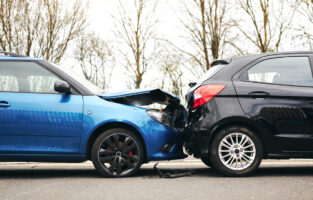
When a car accident occurs, people often assume only one party is entirely responsible for the crash. In reality, most crashes involve multiple people sharing some level of responsibility. For example, if you rear-end a car but the driver in front of you slams on the brakes without giving you reasonable time to stop, both of you may share fault for the collision.
For example, if you suffered $100,000 in damages and are found 20 percent at fault for the accident, your compensation is reduced by that percentage, and you would receive $80,000. If instead you were found 55 percent at fault, you would recover nothing under the modified comparative negligence rule, which is why disputing an inflated fault percentage matters as much as proving the other driver’s negligence.
What Damages Can You Recover After a Florida Car Accident?
Even if you are partially responsible for a car accident, you can still recover damages for the harm the other party caused. Depending on your circumstances, you may be entitled to compensation for the following:
- Property damage
- Current and future medical bills
- Lost wages from missed work
- Pain and suffering
- Prescribed medications
- Rehabilitation and physical therapy
- Mental anguish
- Reduced quality of life
- Disability
When collecting damages after a car accident, it is important to know that Florida is a no-fault state, so drivers must carry personal injury protection (PIP) insurance to pay for a portion of their own damages regardless of fault. The Florida Department of Highway Safety and Motor Vehicles requires every Florida driver to carry at least $10,000 of PIP coverage and $10,000 in property damage liability coverage. Our post on how PIP insurance works with other coverage covers how these policies interact with a liability claim against an at-fault driver.
You may still seek compensation from another party if you suffered severe injuries, but you must prove their negligence directly caused your harm, and your injury must generally meet Florida’s serious injury threshold under Florida Statute 627.737 before you can pursue non-economic damages such as pain and suffering through a lawsuit. Regardless of your circumstances, we can help you understand your insurance policy and what steps to take toward a fair settlement.
How Insurance Companies Try to Shift Blame Onto You
Because every percentage point of fault directly reduces (or eliminates) a payout, insurance adjusters have a strong financial incentive to push your fault percentage as high as possible. Common tactics include citing minor traffic infractions, questioning your reaction time, or pointing to inconsistencies between your statement and the police report. Recognizing these red flags when speaking with an insurance adjuster can help you avoid saying something that gets used to inflate your share of the blame.
Understanding how comparative negligence works in personal injury cases generally can help you recognize when an adjuster’s fault assessment does not match the facts of your accident. Gathering dashcam footage, witness statements, and the official crash report as early as possible strengthens your position before an insurer has a chance to build a one-sided narrative.
Steps to Protect Your Claim if You Share Fault
If you believe you may share some responsibility for a crash, a few practical steps can help protect your right to compensation. Report the accident promptly, seek medical treatment even if your injuries seem minor, and avoid speculating about fault when speaking with any insurance company, including your own. Following the right steps after a car accident from the outset applies just as much when you may share some responsibility for the crash.
Keeping thorough documentation, including photos of the scene, medical records, and repair estimates, gives your attorney the evidence needed to argue for the lowest accurate fault percentage rather than whatever figure the insurance company initially proposes.
Schedule a Complimentary Consultation With a Car Accident Lawyer at the Law Offices of Scott Sobol
The aftermath of a car accident can be overwhelming, especially if you suffered injuries and are unsure how shared fault affects your claim. Our team at the Law Offices of Scott Sobol can help you recover damages even if you carry a portion of responsibility for the accident, and we can help you fully understand your legal options under Florida’s modified comparative negligence rule.
Having a trustworthy lawyer on your side matters when a fault dispute could determine whether you recover anything at all. We have represented thousands of accident victims throughout Florida, so we have the experience to take on your claim. To schedule a free case consultation, fill out our contact form.
Frequently Asked Questions About Shared Fault in Florida Car Accidents
Can I still recover money if I was more than half at fault for a Florida car accident?
Generally, no. Under Florida’s modified comparative negligence rule, a driver found more than 50 percent at fault for an accident is barred from recovering any damages, so accurately establishing your fault percentage is essential.
Who decides my percentage of fault after a Florida car accident?
Insurance adjusters typically make an initial fault determination, but that figure is negotiable and can ultimately be decided by a jury if the case goes to trial. Evidence such as police reports, witness statements, and traffic camera footage all factor into the assessment.
Does Florida’s no-fault insurance system affect a partial-fault claim?
Yes. Your own PIP coverage generally pays a portion of your medical bills and lost wages regardless of fault, while a separate claim against an at-fault driver is where comparative negligence percentages are applied to your total damages.
What evidence helps lower an unfair fault percentage?
Dashcam or traffic camera footage, independent witness statements, the official crash report, and photographs of vehicle damage and the accident scene can all help demonstrate that your actual level of fault is lower than an insurer initially claims.
When did Florida change from pure to modified comparative negligence?
Florida shifted to the modified comparative negligence system on March 24, 2023, under House Bill 837. The new 51 percent bar generally applies to accidents that occurred on or after that date.
Can I still pursue pain and suffering damages if I was partially at fault?
Potentially, yes, as long as your fault percentage is 50 percent or less and your injury meets Florida’s serious injury threshold under Florida Statute 627.737. Your eventual award would still be reduced by your percentage of fault.
About the Attorney
Founding Attorney, The Law Offices of Scott Sobol
Scott Sobol has represented Florida personal injury clients since 2003, working with more than 1,000 clients and their families throughout Broward County on car accident and comparative fault claims.

LEGALLY REVIEWED BY:
Scott Sobol
September 22, 2026
Recent Posts

You did everything right after your accident. You called the police, exchanged information at the scene, and gave a truthful stateme ...
A car accident can turn your life upside down in a matter of seconds. Between hospital visits, missed paychecks, and phone calls fro ...
Can You Still Recover Compensation If the At-Fault Driver Has No Bodily Injury Coverage in Florida? - 08/18/26
A car crash is stressful enough before you find out the other driver has almost no insurance at all. Many people assume that if some ...
